Getting Started with Ledger: A Comprehensive Guide
Cryptocurrency continues to transform the financial world, offering new opportunities for investment and financial independence. However, the digital nature of crypto assets comes with unique security challenges. Losing access to a wallet or having private keys exposed can result in irreversible loss of funds. Ledger, a leading provider of hardware wallets, offers a solution that balances security, usability, and control over digital assets. Ledger.com/start is the gateway for new users to begin their journey with Ledger, setting up hardware wallets and learning how to manage cryptocurrency securely.
This guide provides a detailed overview of how to get started with Ledger, including account setup, device initialization, Ledger Live, security best practices, and practical tips to ensure a smooth experience.
Introduction to Ledger
Ledger is known for its hardware wallets, which include the Ledger Nano S and Ledger Nano X. These devices store private keys offline, making it extremely difficult for hackers to access cryptocurrency assets. Ledger’s ecosystem also includes Ledger Live, a companion software application that allows users to monitor balances, send and receive cryptocurrencies, and manage multiple accounts.
Ledger.com/start serves as the official starting point for beginners. It guides users through purchasing a Ledger device, initializing it, installing Ledger Live, and understanding the essential security measures that protect digital assets. Starting correctly is crucial because hardware wallets rely heavily on setup and user practices for security.
Step 1: Choosing the Right Ledger Device
Ledger offers multiple devices, each with different features:
Ledger Nano S – A compact, affordable wallet ideal for beginners with basic cryptocurrency management needs.
Ledger Nano X – Offers Bluetooth connectivity, a larger screen, and increased storage capacity for multiple assets, suitable for advanced users or those who frequently manage diverse portfolios.
Selecting the right device depends on your usage, desired cryptocurrencies, and convenience preferences. Ledger.com/start provides guidance to help users make an informed decision based on their needs.
Step 2: Unboxing and Inspecting the Device
When you receive your Ledger device, it is crucial to check its packaging for authenticity. Ledger devices are shipped in tamper-proof packaging to ensure they have not been compromised. Examine the box and device carefully. Ledger emphasizes that using only devices from official sources is essential to prevent exposure to potential threats.
Step 3: Initializing the Ledger Device
Once unboxed, the next step is initializing your Ledger device. This involves:
Powering on the Device – Follow the instructions to turn on the Ledger Nano S or X.
Selecting a PIN – Choose a secure PIN between four and eight digits. The PIN will be required each time you unlock the device. It is recommended to avoid simple combinations like birthdays or repetitive numbers.
Recording the Recovery Phrase – Ledger will display a 24-word recovery phrase. This phrase is crucial as it allows you to restore your wallet if the device is lost or damaged. Write it down carefully on the provided card and store it offline in a secure location. Never store it digitally or share it with anyone.
Step 4: Installing Ledger Live
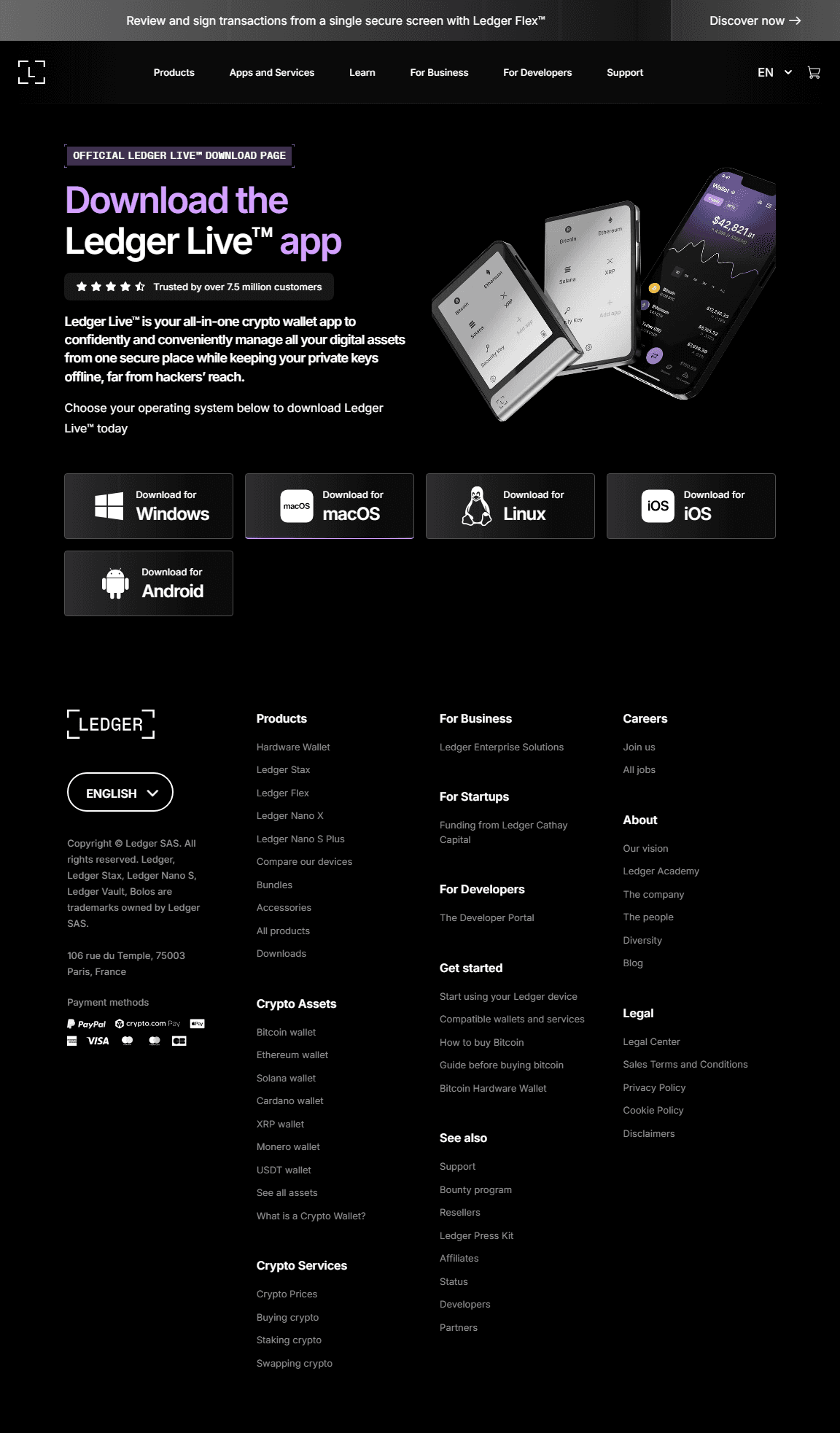
Ledger Live is the companion application for managing cryptocurrency accounts. It is available for desktop and mobile devices. Installing Ledger Live involves:
Downloading the Application – Install Ledger Live on a secure device, ensuring that your system is free of malware.
Adding Accounts – After connecting your Ledger device, you can add accounts for various cryptocurrencies, including Bitcoin, Ethereum, and others supported by Ledger.
Synchronizing with the Blockchain – Ledger Live fetches account information from the blockchain, allowing you to view balances, transaction history, and other relevant details.
Ledger Live provides a central dashboard for managing all your digital assets securely while keeping private keys stored offline.
Step 5: Understanding Ledger Security Features
Ledger devices are designed with multiple layers of security to protect your assets:
Offline Private Keys – Your private keys never leave the hardware wallet, keeping them safe from online threats.
PIN Protection – The device requires a PIN for access, adding a layer of security in case it is physically lost or stolen.
Recovery Phrase – The 24-word recovery phrase ensures you can restore your wallet even if the device is damaged.
Transaction Verification – Every transaction must be confirmed physically on the Ledger device, preventing unauthorized transfers.
Ledger Live Security – Ledger Live communicates securely with the hardware wallet, verifying operations and checking firmware updates.
Understanding and following these security protocols is essential to protect your cryptocurrency investments.
Step 6: Adding Cryptocurrencies and Accounts
Ledger Live allows users to manage multiple cryptocurrencies in a single interface. After initializing the device and connecting to Ledger Live, users can:
Select the Cryptocurrency – Choose the assets you want to manage from the list of supported coins.
Create Accounts – Add accounts for each cryptocurrency you own. This step enables Ledger Live to track balances and transactions for each asset.
Receive Cryptocurrency – Ledger Live provides a unique wallet address for receiving funds. Always verify addresses on the device screen before sending.
Send Cryptocurrency – Transactions are approved through the Ledger device, ensuring secure authorization.
By following these steps, users can confidently manage multiple cryptocurrencies without exposing private keys to the internet.
Step 7: Best Practices for Security
Ledger emphasizes best practices to maximize security:
Keep the Device Offline – When not in use, store the Ledger wallet securely offline.
Safeguard the Recovery Phrase – Store the 24-word phrase offline, in a secure location. Never share it.
Update Ledger Live Regularly – Ensure your application is up to date to benefit from the latest security patches.
Verify Transactions – Always confirm transaction details on the Ledger device before approval.
Avoid Public Networks – Conduct transactions and logins on secure, private networks to reduce exposure to cyber threats.
Beware of Phishing Attempts – Only use official applications and instructions from Ledger.com/start to prevent scams.
Following these guidelines ensures that your cryptocurrency remains protected even if threats arise.
Step 8: Troubleshooting Common Issues
Even with a secure setup, users may encounter issues during initial login or account management:
Device Not Detected – Check the USB cable, Bluetooth connection, or device firmware. Updating Ledger Live usually resolves connectivity problems.
Forgotten PIN – Multiple incorrect PIN entries may lock the device. In such cases, the recovery phrase is required to restore access.
Ledger Live Errors – Reinstalling or updating the software can fix errors related to synchronization or connectivity.
Lost Recovery Phrase – Losing the recovery phrase means losing access to funds if the device is lost or damaged. It is crucial to store it safely offline.
Understanding how to handle these situations ensures a smooth experience while using Ledger.
Step 9: Mobile and Advanced Features
Ledger Live’s mobile app provides additional convenience and security:
Bluetooth-enabled Ledger Nano X access for wireless management
Real-time notifications for incoming and outgoing transactions
Portfolio overview to monitor balances and performance
Secure transaction approval directly from the device
These features allow users to manage their assets on the go while maintaining Ledger’s strong security model.
Conclusion
Ledger.com/start is the essential starting point for anyone entering the world of cryptocurrency. By guiding users through the purchase, setup, and initialization of Ledger devices, it ensures that assets are protected from online threats. Proper setup, installation of Ledger Live, understanding security features, and following best practices allow users to confidently manage multiple cryptocurrencies with peace of mind. Hardware wallets like Ledger combine offline key storage with robust authentication measures, providing one of the safest ways to secure digital assets.
By carefully following the steps outlined in this guide—choosing the right device, initializing it properly, securing the recovery phrase, and using Ledger Live correctly—users can begin their cryptocurrency journey securely and confidently. Ledger ensures that the responsibility of security rests in the user’s hands while providing the tools and instructions necessary to protect digital assets effectively.